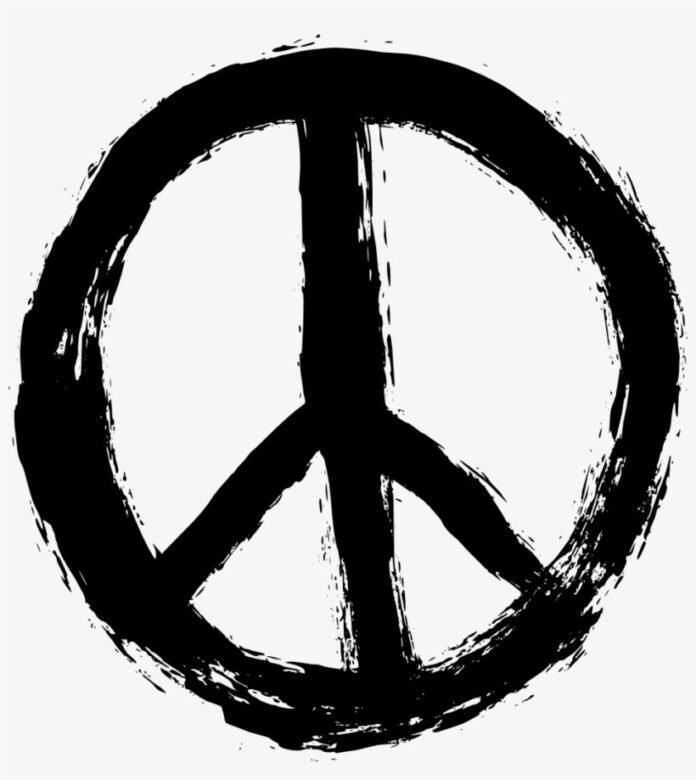
The peace symbol is a simple but deeply meaningful sign used to represent peaca, nonviolence, and unity. It is shaped like a circle with a straight line in the middle and two diagonal lines pointing downward. While the design may look minimal, its message is powerful and easy to understand across different cultures and languages. This is one of the main reasons the peace symbol has lasted for decades and remains relevant today.
In everyday life, the peace symbol is used to show support for calm solutions instead of conflict. People display it during protests, wear it on clothing, or share it online to express hope for a more peaceful world. The peace symbol speaks without words, reminding people that peaca is a shared human goal, not tied to one belief or country.
Quick Facts About the Peace Symbol
| Detail | Information |
|---|---|
| Created Year | 1958 |
| Original Message | Anti-war and nuclear disarmament |
| Global Meaning | Peace, unity, nonviolence |
| Common Uses | Protests, art, clothing, media |
Origin and History of the Peace Symbol
The modern peace symbol was created in 1958 by a British designer named Gerald Holtom. He designed it for a public march organized by the Campaign for Nuclear Disarmament in the United Kingdom. At the time, the world was living in fear of nuclear war, and many people were protesting against the spread of nuclear weapons. Holtom wanted to create a strong visual symbol that could express opposition to war without using words.
The design of the peace symbol comes from semaphore signals, which are hand positions used to send messages. The symbol combines the signals for the letters N and D, which stand for nuclear disarmament. These letters were placed inside a circle to represent the world. Over time, the peace symbol moved beyond its original purpose and became a universal sign used by peace movements all over the globe.
Timeline of the Peace Symbol
| Year | Event |
|---|---|
| 1958 | Peace symbol designed in the UK |
| 1960s | Adopted by anti-war movements |
| 1970s | Became part of popular culture |
| Today | Global symbol of peace and unity |
Meaning and Symbolism of the Peace Symbol
The peace symbol meaning goes deeper than its simple shape. At its core, it stands for peaceful resistance, calm strength, and hope during difficult times. The circle around the symbol represents the world and humanity as a whole. Inside the circle, the lines point downward, which many people interpret as putting down weapons instead of raising them. This quiet design choice sends a strong emotional message without aggression.
Over time, people have also given the peace symbol personal meaning. For some, it represents freedom and justice. For others, it stands for unity among different cultures and beliefs. This flexibility is why the peace symbol connects with so many people. It allows each generation to express peace in its own voice, while still respecting the original idea behind the symbol.
Peace Symbol in Culture, Fashion, and Media
The peace symbol became extremely popular during the 1960s, especially during anti-war protests and civil rights movements. Musicians, artists, and activists used the peaca symbol to show resistance without violence. It appeared on protest signs, album covers, and murals, helping it spread far beyond its original political purpose.
Today, the peace symbol is everywhere. You can see it on clothing, jewelry, tattoos, and even social media emojis. Many people wear it not as a protest, but as a reminder to stay calm, kind, and respectful. In movies, music, and digital culture, the peace symbol continues to represent hope and the belief that the world can be better.
Myths and Misconceptions About the Peace Symbul
One common myth is that the peace symbool has a religious or dark meaning. This is not true. The peace symbul was clearly created in the modern era for a political movement, not for religious or spiritual purposes. There is no historical evidence linking it to ancient symbols or negative beliefs.
Another misunderstanding is that the peace symbool promotes weakness. In reality, it represents strength through nonviolence. Choosing peace often requires more courage than choosing conflict. The peace symbul reminds people that standing for peaca is an active and powerful choice, not a passive one.
Peace Symbool vs Other Peaca Symbools
The peace symbool is often compared to other signs of peaca like the dove, olive branch, or white flag. While those symbols are older and often tied to religion or tradition, the peace symbool feels modern and universal. It does not belong to one culture or story, which makes it easier for people everywhere to accept and use.
Unlike other peace symbools, this one became popular through public movements and everyday people. It spread naturally, not through authority or tradition. This is why the peace symbool became the most widely recognized peaca sign in the world and continues to hold meaning today.
Modern Meaning of the Peace Symbool
In modern times, the peace symbool represents more than just opposition to war. It is now used to support human rights, equality, environmental protection, and mental peace. People use it to say they believe in kindness, fairness, and peaceful solutions in daily life.
The peace symbool remains relevant because conflict still exists in many forms. Whether shared online, worn on a shirt, or drawn by a child, the peace symbool continues to send a clear message. Peace is not outdated. It is still something the world needs.
FAQs About the Peace Symbool
1. What does the peace symbool mean today?
It represents peace, unity, nonviolence, and calm solutions to conflict.
2. Who invented the peace symbool?
Gerald Holtom created it in 1958 for nuclear disarmament protests.
3. Is the peace symbool religious?
No, it has no religious or spiritual origin.
4. Why is the peace symbool still popular?
Because it is simple, universal, and emotionally powerful.
5. Is the peace symbool different from the peace sign?
Yes, the peace sign is a hand gesture, not the same symbul.
