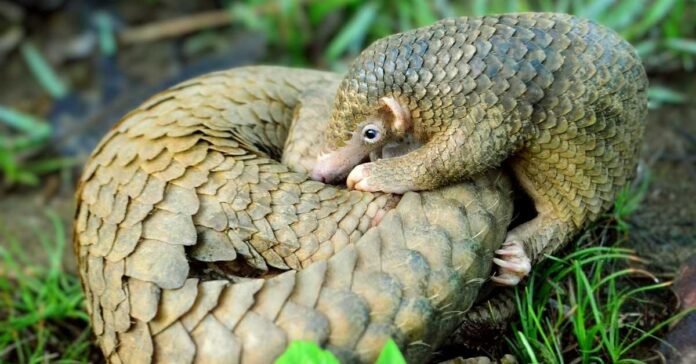
The cryptic pangolin species discovery in India refers to a major scientific finding that revealed a pangolin living in parts of India is actually a separate species, not just a variation of a known one. For many years, this animal was believed to belong to an already identified pangolin species because it looked almost the same on the outside. Its body shape, scales, and behavior matched what scientists expected, so no one suspected anything unusual.
The discovery became possible only after scientists studied the animal’s genetic makeup. DNA analysis showed clear differences that proved this pangolin had followed a separate evolutionary path for millions of years. This is why it is called a cryptic species — it was hidden in plain sight. The cryptic pangolin species discovery in India highlights how modern science can reveal unseen layers of biodiversity, even among animals that have been studied for decades.
Quick Facts About the Discovery
| Feature | Information |
|---|---|
| Type of species | Cryptic (genetically distinct) |
| Discovery method | DNA and genetic testing |
| Visibility | Looks similar to known pangolins |
| Scientific importance | Reveals hidden biodiversity |
This finding changes how researchers understand pangolins in India and raises new questions about how many other hidden species may still exist. It also shows that appearance alone is not enough to correctly identify wildlife.
How Scientists Discovered the Cryptic Pangolin Species in India
The cryptic pangolin species discovery in India happened because scientists looked beyond what the animal looked like on the outside. Pangolins are shy, night-active animals, and very few are seen in the wild. Most scientific samples came from rescued or confiscated pangolins. When researchers studied their DNA, they noticed patterns that did not match any known pangolin species in India.
This genetic testing showed that these pangolins had been evolving separately for millions of years. Even though their scales, size, and movement looked familiar, their genes told a different story. This discovery proved that traditional observation alone is no longer enough, and modern tools like genetic analysis are essential to understand wildlife correctly.
Where the Cryptic Pangolin Species Is Found in India
The cryptic pangolin species discovery in India is mainly linked to Northeast India, a region known for dense forests and rich biodiversity. States such as Arunachal Pradesh and nearby areas are believed to be the natural home of this species. The region’s mountains and forests helped keep the species isolated, which allowed it to evolve separately over time.
Because pangolins are difficult to track, scientists believe this species may also exist in nearby countries with similar landscapes. Its secretive nature makes it hard to confirm exact locations, but researchers agree that this area is one of the most important habitats for pangolins in South Asia.
Location Overview of the Cryptic Pangolin Species
| Factor | Details |
|---|---|
| Main region | Northeast India |
| Habitat type | Forests and hilly terrain |
| Lifestyle | Nocturnal and solitary |
| Visibility | Rarely seen in the wild |
How the Cryptic Pangolin Species Is Different From Other Pangolins
At first glance, the cryptic pangolin species looks almost identical to other pangolins found in India. It has the same protective scales, similar body length, and the same habit of rolling into a ball when threatened. This is why it remained undiscovered for so long.
The real difference lies in its genetic structure. DNA evidence shows that this species split from other pangolins millions of years ago. These small genetic differences affect how the species evolved, adapted to its environment, and survived. This discovery proves that animals can be biologically different even when they look the same.
Why the Cryptic Pangolin Species Discovery in India Is Important
The cryptic pangolin species discovery in India is important because it changes how conservation plans are made. When a species is misidentified, it may not receive proper legal protection. Recognizing a new species ensures that it can be assessed separately for endangered status and conservation needs.
This discovery also highlights how much hidden wildlife diversity exists in India. It reminds scientists and policymakers that protecting habitats is just as important as protecting known species. Saving forests may also protect species we do not even know exist yet.
Pangolin Trafficking and Conservation Challenges in India
Pangolins are among the most illegally traded animals in the world. Their scales are often trafficked, which puts enormous pressure on their populations. The cryptic pangolin species discovery in India adds another challenge, because trafficked animals may belong to a species that scientists are only beginning to understand.
Protecting this newly identified species will require stronger monitoring, better genetic testing of seized animals, and public awareness. Without these steps, cryptic species may disappear before they are fully studied or protected.
What This Discovery Means for the Future of Pangolin Conservation
The cryptic pangolin species discovery in India shows that conservation science is evolving. Future wildlife studies will rely more on genetics, not just physical features. This will help identify other hidden species and prevent mistakes in classification.
For conservationists, this discovery is a reminder that every species matters, even those we cannot easily see or identify. It also encourages governments and researchers to invest in modern research methods to better protect endangered animals.
FAQs About Cryptic Pangolin Species Discovery in India
What does “cryptic species” mean?
It means a species that looks similar to another but is genetically different.
Why was this pangolin not discovered earlier?
Because it looks almost identical to known pangolin species.
Where was the cryptic pangolin species found?
Mainly in Northeast India.
Why is this discovery important?
It helps improve conservation and legal protection.
Are pangolins endangered in India?
Yes, all pangolin species face serious threats.
