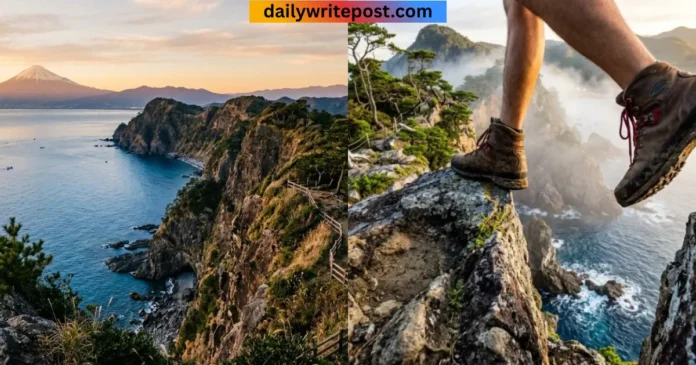
Tucked between the towering silhouette of Mount Fuji and the deep blue waters of Suruga Bay, Numazu is one of Japan’s most underrated coastal cities. While millions of travelers rush toward Tokyo, Kyoto, or Osaka, Numazu quietly offers something different: fresh seafood pulled straight from the deepest bay in Japan, panoramic mountain views, centuries of history, and a laid-back port-town atmosphere that rewards those willing to slow down. Located in eastern Shizuoka Prefecture at the northwestern edge of the Izu Peninsula, this city of roughly 189,000 residents blends everyday Japanese life with genuine natural beauty. This guide covers everything you need to know about Numazu, from its geography and history to its top attractions, food, and practical travel tips.
Where Is Numazu Located?
Numazu sits in the eastern part of Shizuoka Prefecture, directly facing Suruga Bay where it opens into the Pacific Ocean. The city occupies the northwestern base of the Izu Peninsula, roughly 130 kilometers southwest of central Tokyo. This location places Numazu in a rare geographic sweet spot — close enough to Tokyo for an easy day trip, yet far enough from the capital to retain its own distinct, unhurried character. The Kano River flows directly through the heart of the city, and Mount Ashitaka, standing at 1,188 meters, marks the highest point within city limits. On clear days, Mount Fuji rises dramatically to the north, even though the peak itself sits about 30 kilometers away.
A Brief History of Numazu
Numazu has a long and layered past. The area shows evidence of human settlement dating back thousands of years, and it later grew into a strategically important post town along the historic Tokaido Highway, the road connecting Edo (modern Tokyo) with Kyoto during Japan’s feudal era. The city was also home to Numazu Castle, built in the 16th century, whose remains can still be visited today. In the modern era, Numazu experienced rapid post-war industrial growth, particularly in petrochemicals and metal manufacturing, which transformed it into a regional economic hub. Despite this industrial expansion, the city has carefully preserved its coastal charm and historic sites, striking a balance between old and new that defines much of its present-day appeal.
Suruga Bay: Japan’s Deepest Bay
No discussion of Numazu is complete without Suruga Bay, the body of water that shapes nearly every aspect of local life. Suruga Bay is officially Japan’s deepest bay, plunging to approximately 2,500 meters at its lowest point, with a surface area of nearly 2,500 square kilometers. This extraordinary depth exists because part of the undersea Suruga Trough extends into the waters near Numazu, creating conditions found almost nowhere else in the country. Because deep, nutrient-rich ocean water sits so close to shore, the bay supports an unusually diverse marine ecosystem — including deep-sea species, migratory fish, and even the occasional coelacanth, a “living fossil” species rarely seen anywhere else in Japan.
Mount Fuji Views From Numazu
One of the biggest reasons travelers visit Numazu is the chance to see Mount Fuji, Japan’s tallest mountain at 3,776 meters, from a fresh coastal angle. Unlike crowded viewpoints closer to the mountain itself, Numazu offers unobstructed views across the water of Suruga Bay, often framed by pine trees or fishing boats in the foreground. Locals often say Fuji is best appreciated from a distance rather than climbed, and Numazu delivers that perspective beautifully. Winter mornings, when the air is driest and clearest, tend to produce the sharpest views, though clear spring mornings before midday can also be rewarding. This natural backdrop is part of what gives Numazu its unmistakable postcard-worthy scenery.
Numazu Port and the Fish Market
For most visitors, the heart of Numazu is its port area. Numazu Port has long served as a key center for Shizuoka Prefecture’s fishing industry, and the city is particularly famous for Japanese horse mackerel, accounting for roughly half of Japan’s total production of the fish. Early mornings at the harbor bring lively auctions, as boats return with their catch and buyers negotiate prices before the day’s seafood reaches nearby restaurants. Visitors can wander the bustling fish market, browse seafood shops, and watch the working rhythm of a genuine Japanese fishing port up close. This isn’t a staged tourist experience — it’s the daily livelihood of the local community, which makes it feel especially authentic.
Numazu Deep Sea Aquarium
Among Numazu’s most distinctive attractions is the Numazu Deep Sea Aquarium, the world’s first aquarium dedicated entirely to deep-sea creatures. Located near the port, the aquarium showcases species pulled from the depths of Suruga Bay, including giant crabs, bioluminescent fish, and other rarely seen deep-water animals. Its most famous exhibit features frozen coelacanths, an ancient fish species believed to have existed largely unchanged for over 350 million years. The aquarium holds a rare distinction: only five coelacanth specimens in Japan have official registration certificates, and all five are housed here. For travelers fascinated by marine biology or unusual wildlife, this aquarium is a genuine must-see and one of the top things to do in Numazu.
Senbon Matsubara: The Historic Pine Grove
Stretching along the coast near the mouth of the Kano River, Senbon Matsubara is a sprawling pine forest containing more than 300,000 trees. Historically regarded as one of the most scenic spots along the old Tokaido Highway, this grove offers a peaceful walking path with the ocean on one side and dense pine woodland on the other. In winter, when the air is clearest, the view of Mount Fuji from within the grove is considered especially striking. The nearby Senbonhama Park extends this experience further, offering a seaside park with a white sand beach suitable for swimming, alongside more sweeping views of Suruga Bay. Together, these green spaces provide a calmer, nature-focused contrast to the busier port district.
Numazu Imperial Villa Memorial Park
History enthusiasts should not miss the Numazu Imperial Villa Memorial Park, once a summer retreat for Japan’s Imperial Family. The villa was originally constructed in 1893 under Emperor Meiji and later became a favorite childhood holiday destination for Emperor Taisho. Today, the site is managed by Numazu City and open to the public as a museum, surrounded by beautifully maintained hydrangea gardens and pine woods. Visitors can explore traditional Japanese architecture up close while enjoying views of Mount Fuji and Suruga Bay from the grounds. It’s a quieter, more reflective attraction compared to the lively port area, and it offers valuable insight into Japan’s modern imperial history.
Numazu Goyotei and Castle Ruins
Just south of the port lies Numazu Goyotei, the ruins of the original Numazu Castle, first built in the 16th century. While little of the original structure remains today, the site still holds historical significance as a reminder of the city’s feudal-era importance along the Tokaido Highway. Combined with nearby shrines and historic streets, the area offers a glimpse into how Numazu functioned as a strategic post town centuries before it became a modern port city. History-focused travelers often pair a visit here with a walk through the surrounding neighborhood, where traces of the old highway route and period architecture can still be found scattered among modern development.
Kanuki Shrine and Mount Kanuki
Away from the coastline, Kanuki Shrine offers a tranquil, forested retreat within the city. Nearby, trails lead up Mount Kanuki, where an observation deck rewards hikers with panoramic views spanning Mount Fuji, the Southern Alps, and the Numazu cityscape below. For a small fee, visitors can also take an elevator up a nearby tower for a 360-degree view encompassing Suruga Bay, the Senbon Pine Grove, and the surrounding city. These elevated viewpoints are especially popular among photographers and travelers hoping to capture the full sweep of Numazu’s dramatic setting — mountains, forest, and sea all visible in a single frame.
Local Seafood and Culinary Highlights
Food is central to any visit to Numazu, and the city’s proximity to Suruga Bay means seafood dominates the local menu. Kaisendon, a seafood rice bowl topped with sashimi and salmon roe, is a signature dish, typically starting around ¥1,600 at popular restaurants near the port. Himono, a lightly salted, semi-dried fish unique to the region, is another local specialty worth trying, often served grilled alongside rice. The broader Suruga Bay area is also known for sakura ebi, small pink shrimp caught at night from depths of 200–300 meters, though only a small percentage survive the journey to shore alive. For a sweet souvenir, Numazu kibidango, a traditional rice cake, remains a popular local treat to bring home.
Numazu as a Pop Culture Destination
Beyond its natural and historical attractions, Numazu has become an unexpected pilgrimage site for fans of Japanese pop culture. The city served as the real-life setting for the anime series Love Live! Sunshine!!, and numerous locations throughout Numazu correspond directly to scenes from the show. Fans frequently travel specifically to photograph these real-world spots, blending anime tourism with the city’s more traditional attractions. This unusual crossover has introduced a new generation of visitors — particularly younger, international travelers — to a city that might otherwise remain off the typical tourist radar, adding a distinctly modern layer to Numazu’s overall appeal.
Climate and Best Time to Visit
Numazu enjoys a mild maritime climate shaped by the warm Kuroshio Current, resulting in hot, humid summers and comparatively cool winters. For the clearest views of Mount Fuji, winter mornings between December and February tend to offer the driest air and least haze. Spring is also a strong choice, particularly before midday, when cloud cover over the mountain is typically minimal. Summer brings warmer temperatures ideal for beach activities at Senbonhama Park, though visibility of Fuji tends to decrease. Regardless of season, Numazu’s coastal location keeps temperatures more moderate than inland areas of Japan, making it a comfortable destination across much of the year.
Getting to Numazu
Reaching Numazu is straightforward thanks to excellent rail connections. The Tokaido Shinkansen and JR Tokaido Main Line both serve Numazu Station, with direct Shinkansen service placing the city within roughly 50 minutes to an hour of Tokyo via nearby Mishima, followed by a short local connection. Travelers coming directly via the Tokaido Line without the Shinkansen should expect a journey of around 90 minutes from Tokyo. From Kyoto or Osaka, the Shinkansen reaches nearby Mishima Station in approximately two hours. Drivers can also reach Numazu via the Tomei and Shin-Tomei Expressways, along with national routes 1, 246, and 414, which run through the city’s northern suburbs.
Nearby Attractions Worth Combining With Numazu
Several notable sites sit close enough to Numazu to combine into a single itinerary. The Mishima Skywalk, Japan’s longest pedestrian suspension bridge at 400 meters, offers sweeping views of Mount Fuji and Suruga Bay from a height of 70 meters. Mishima Taisha, a Shinto shrine with origins dating back over 1,300 years, is another worthwhile stop, historically significant as the site where the samurai leader Minamoto no Yoritomo once prayed. Further along the coast, the fishing village of Heda and the scenic Osezaki Lighthouse provide quieter, more remote coastal scenery for travelers interested in exploring beyond the city center itself.
Why Numazu Deserves a Spot on Your Japan Itinerary
What makes Numazu genuinely worth visiting isn’t a single landmark — it’s the combination of elements rarely found together in one place. Here, visitors get deep-sea biodiversity, imperial history, feudal-era castle ruins, modern pop culture tourism, and some of the freshest seafood in Shizuoka Prefecture, all within a compact, walkable city. Unlike more heavily touristed parts of Japan, Numazu still feels authentically lived-in, shaped by working fishing boats and everyday routines rather than manufactured attractions. For travelers seeking a fuller, more textured picture of coastal Japanese life — one that includes Mount Fuji views without the crowds — Numazu offers exactly that experience.
Conclusion
Numazu may not carry the global name recognition of Tokyo or Kyoto, but it offers a rare and rewarding combination of natural beauty, history, seafood culture, and unexpected pop culture appeal. From the deep, mysterious waters of Suruga Bay to postcard views of Mount Fuji, from the historic Numazu Imperial Villa to the bustling energy of the port fish market, this Shizuoka Prefecture city rewards travelers willing to step slightly off the beaten path. Whether you’re planning a quick day trip from Tokyo or a longer coastal escape, Numazu delivers an authentic, memorable slice of Japan that continues to surprise those who take the time to visit.
Frequently Asked Questions
1. Where exactly is Numazu located in Japan? Numazu is located in eastern Shizuoka Prefecture, at the northwestern base of the Izu Peninsula, facing Suruga Bay roughly 130 kilometers southwest of Tokyo.
2. How do I get to Numazu from Tokyo? The fastest route uses the Tokaido Shinkansen to Mishima Station, followed by a short local train connection, totaling around 50–90 minutes. A direct Tokaido Main Line train takes approximately 90 minutes.
3. What is Numazu best known for? Numazu is best known for its fresh seafood (especially horse mackerel), the Numazu Deep Sea Aquarium, views of Mount Fuji across Suruga Bay, and its connection to the anime series Love Live! Sunshine!!.
4. Is Suruga Bay really the deepest bay in Japan? Yes. Suruga Bay reaches approximately 2,500 meters at its deepest point, officially making it Japan’s deepest bay, and supports an unusually rich deep-sea ecosystem.
5. What is the best time of year to visit Numazu for Mount Fuji views? Winter mornings, from December through February, typically offer the clearest and driest air for viewing Mount Fuji from Numazu, though clear spring mornings can also work well.
6. What food should I try in Numazu? Don’t miss kaisendon (seafood rice bowl), himono (dried horse mackerel), and if available nearby, sakura ebi. Numazu kibidango also makes a great souvenir.
7. Is Numazu suitable for a day trip from Tokyo? Yes. Thanks to Shinkansen access and a compact, walkable layout, Numazu works well as either a day trip from Tokyo or a relaxed one-to-two-night coastal stay.
