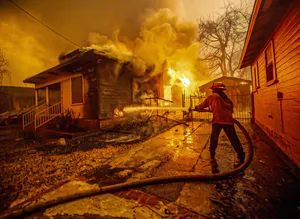
The LA fires are large and fast-moving wildfires that burn in and around Los Angeles, California. These fires usually happen in dry areas where homes and nature meet, often called wildfire zones. When people talk about LA fires, they are usually referring to multiple fires that break out during the same season rather than one single event. These fires can spread quickly, forcing families to evacuate and causing serious damage to homes, land, and air quality.
Los Angeles fires are different from regular house fires because they burn across hills, forests, and neighborhoods at the same time. Dry weather, strong winds, and limited rainfall make the area especially vulnerable. Over the years, LA firas have become more intense and more frequent, making them a major concern for residents, firefighters, and city planners. Many experts now consider LA firas a year-round risk instead of a seasonal problem.
Quick Facts About LA Fires
| Topic | Details |
|---|---|
| Common Location | Hills, canyons, and outskirts of Los Angeles |
| Fire Season | Late summer through winter |
| Main Risk Factors | Dry weather, strong winds, drought |
What Caused the LA Fires?
The causes of LA fires are often a mix of natural and human factors. One of the biggest natural contributors is the dry weather Southern California experiences, especially during summer and fall. The region’s Mediterranean climate means hot, dry summers with very little rainfall, which dries out plants and brush that easily catch fire. When strong winds like the Santa Ana winds blow through the area, they can push flames quickly across large distances, making fires spread rapidly.
Human activities also play a big role. Faulty power lines, sparks from equipment, careless smoking, or unattended campfires can all start fires in fire-prone areas. Unfortunately, with Los Angeles’ growing population and more homes built near wildlands, the risk of fires caused by human actions increases. Climate change is making these conditions worse by creating longer drought periods and hotter temperatures, which further dry out the environment and increase fire chances.
Key Causes Summary Table
| Cause | Explanation |
|---|---|
| Dry Weather | Prolonged drought dries out vegetation |
| Strong Winds | Santa Ana winds spread fires rapidly |
| Human Activity | Power lines, equipment, careless behavior |
| Climate Change | Increases temperature and drought severity |
Areas Most Affected by the LA Fires
The areas most impacted by LA fires are typically those at the edge of urban neighborhoods bordering wildlands. These zones, known as the wildland-urban interface, include places like the Santa Monica Mountains, the San Gabriel Mountains, and foothill communities around Los Angeles. These areas often have dense vegetation that easily burns and many homes located close to natural lands, increasing the danger.
During major LA fires, evacuation orders usually cover these neighborhoods to keep people safe. The fires threaten not only homes but also local wildlife habitats and natural parks. Because of the dry brush and steep terrain, the fires can quickly move downhill or uphill, spreading into new areas. Understanding which communities are most at risk helps local governments plan better fire prevention and response strategies.
Impact of the LA Fires
The impact of LA fires goes far beyond just burning land. Homes and businesses are destroyed, leading to financial hardship for many families. Insurance claims often rise, and rebuilding can take months or even years. The environmental damage is also severe; forests and wildlife suffer greatly, and important habitats can be lost.
One of the biggest problems is the smoke and air pollution caused by LA fires. The smoke contains harmful particles that can cause breathing problems, especially for children, older adults, and those with lung diseases. The air quality in Los Angeles often drops to unhealthy levels during fire season, forcing schools to close and people to stay indoors. The long-term effects of repeated fires can include soil erosion, water contamination, and loss of plant diversity.
Firefighting and Emergency Response
The Los Angeles Fire Department (LAFD) plays a critical role in fighting LA fires. Firefighters use a mix of strategies including firebreaks, water drops from helicopters and planes, and ground crews to control the flames. The department often works with state and federal agencies for extra support when fires get very large.
Fighting firas in LA is challenging because of the tough terrain and unpredictable winds. Firefighters sometimes have to evacuate areas quickly to stay safe themselves. Technology like drones and satellite imaging help crews track fire movement in real-time. Public alerts and emergency services coordinate to keep residents informed and help evacuate when needed.
How to Stay Safe During LA Fires
If you live in or near fire-prone areas in Los Angeles, safety is the top priority during LA fires. Preparing ahead can make a big difference. Residents should have an emergency kit ready with essentials like water, masks, medications, and important documents. It’s also important to create a clear evacuation plan for your family.
During fires, follow official warnings and evacuation orders immediately. Avoid breathing smoke by staying indoors, using air purifiers if possible, and wearing masks outside. Protecting your home by clearing dry brush and using fire-resistant materials can reduce fire risk. Staying informed through local news, fire department updates, and apps helps you react quickly.
The Future of LA Fires
Unfortunately, experts say the future of LA fires looks challenging. Climate change is expected to bring hotter and drier conditions, meaning fires may become more frequent and severe. Urban growth near wildlands adds more risk as more homes face fire danger. However, there are efforts to better prepare for and prevent these fires.
Local governments are improving building codes, increasing controlled burns to clear dry brush, and investing in better firefighting technology. Community awareness and education are also key to reducing human-caused fires. While LA fires may remain a threat, smarter planning and stronger safety measures can help reduce their damage and keep residents safer.
FAQs About LA Fires
1. How often do LA fires happen?
LA fires happen mostly during late summer to early winter, but because of climate change, the fire season is getting longer and more intense.
2. What causes LA fires?
Dry weather, strong winds like Santa Ana winds, human accidents, and power equipment are the main causes of LA fires.
3. How can I protect my home from LA fires?
Clear dry brush around your house, use fire-resistant building materials, and create an emergency evacuation plan.
4. What should I do during an LA fire evacuation?
Follow official orders, take your emergency kit, protect yourself from smoke with masks, and leave as soon as possible.
5. Are LA fires getting worse because of climate change?
Yes. Warmer temperatures and droughts increase fire risk and make fires harder to control in Los Angeles.
