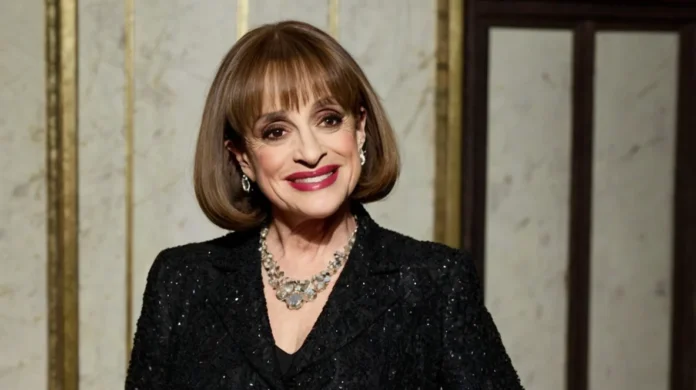
The Patti LuPone controversy became one of the biggest discussions in the Broadway community. Patti LuPone built her career through powerful performances and bold opinions. She won major awards and starred in famous shows like Evita and Gypsy. Many theater fans admire her confidence and honesty. However, that same honesty sometimes creates conflict.
The controversy started when LuPone made direct comments about fellow Broadway performers and productions. She shared her opinions in interviews and public conversations. Some readers felt her tone sounded dismissive rather than constructive. Because she holds a respected position in the industry, people paid close attention to her words.
The situation gained more attention when fans linked her comments to Audra McDonald. LuPone reportedly clarified that they were not close friends. While that statement may have seemed simple, many fans viewed it as cold. Since both women hold legendary status in Broadway, the public quickly turned the comment into a larger discussion.
Kecia Lewis also responded publicly to remarks LuPone made about a Broadway production. Lewis expressed concern and asked for respect within the theater community. Her response shifted the focus from personal disagreement to professional behavior. More performers joined the conversation, and the Patti LuPone controversy grew beyond one interview.
Social media amplified every reaction. Supporters praised LuPone’s honesty and defended her right to speak openly. Critics argued that strong opinions should not come at the cost of respect. This divide showed how differently people interpret direct communication. Some saw courage. Others saw insensitivity.
LuPone later addressed the backlash directly. She released a public apology and acknowledged that her comments may have hurt others. She expressed regret and recognized the impact of her words. Her response helped calm some critics, though debate continued among fans.
The Patti LuPone controversy highlights a larger change in Broadway culture. In earlier decades, strong personalities shaped the industry. Today, artists emphasize collaboration, respect, and inclusion. Public figures must balance honesty with awareness. Audiences expect accountability, especially from influential performers.
This situation does not erase LuPone’s achievements. She remains one of Broadway’s most celebrated actresses. However, the controversy reminds everyone that words carry power. Leaders in creative industries influence more than performances; they shape professional culture.
In the end, the Patti LuPone controversy reflects a modern reality. Public conversations move quickly, and opinions spread faster than ever. Artists must adapt to this environment. At the same time, audiences continue to debate where honesty ends and respect begins.
FAQs About the Patti LuPone Controversy
1. What started the Patti LuPone controversy?
The controversy started after Patti LuPone made public comments about fellow Broadway performers and productions. Some people felt her tone sounded dismissive. Her strong personality and influence in theater made the situation grow quickly.
2. Who was involved in the controversy?
The discussion connected names like Audra McDonald and Kecia Lewis. Both are respected Broadway performers. Their responses helped turn the issue into a wider industry conversation.
3. Did Patti LuPone apologize?
Yes. Patti LuPone released a public apology. She acknowledged that her words may have hurt others and expressed regret for the situation.
4. Why did the controversy spread so fast?
Social media played a major role. Fans, performers, and media outlets quickly shared opinions. When well-known Broadway figures are involved, stories travel fast.
5. Has the controversy affected her career?
The situation sparked debate, but Patti LuPone remains an important and respected figure in Broadway. Many still recognize her long and successful career.
