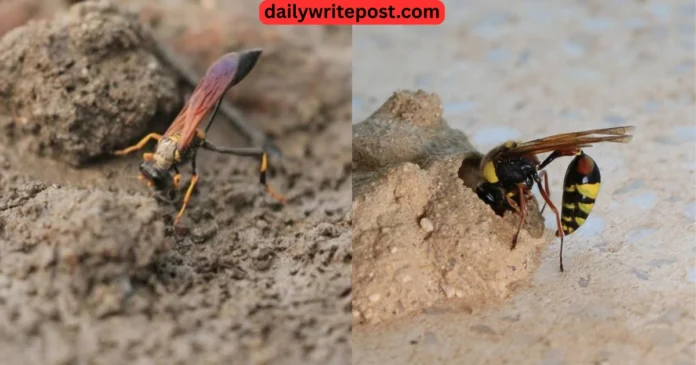
The dirt dobber is one of the most interesting insects found across gardens, farms, forests, and residential areas. Many people notice its unusual mud nests attached to walls, ceilings, barns, and sheds but know very little about the insect behind them. Unlike aggressive social wasps, the dirt dobber is generally peaceful and plays an important role in controlling spider populations.
Known for its remarkable nest-building skills, the dirt dobber creates tube-shaped or clustered mud structures that protect its offspring. These insects have fascinated entomologists and homeowners alike because of their unique behavior and ecological importance. This article explores everything about the dirt dobber, including its appearance, habitat, life cycle, diet, nesting habits, benefits, and common misconceptions.
What Is a Dirt Dobber?
A dirt dobber is a solitary wasp belonging primarily to the family Sphecidae. Unlike yellow jackets or hornets, these wasps do not live in colonies. Each female builds and maintains her own nest without assistance.
The name “dirt dobber” comes from the insect’s habit of collecting mud and shaping it into protective chambers. Depending on the species, these nests may look like organ pipes, small pots, or clusters of mud cells. The dirt dobber is widely recognized for its slender body, long legs, and calm temperament.
Scientific Classification of Dirt Dobbers
Understanding the biological classification of the dirt dobber helps explain its place in the insect world.
| Classification Level | Details |
|---|---|
| Kingdom | Animalia |
| Phylum | Arthropoda |
| Class | Insecta |
| Order | Hymenoptera |
| Family | Sphecidae |
| Common Name | Dirt Dobber |
| Type | Solitary Wasp |
Scientists study various species of dirt dobbers because of their unique nesting and hunting behaviors.
Physical Appearance of a Dirt Dobber
A dirt dobber has a distinctive appearance that makes it easy to identify. Most species range from ½ inch to 1¼ inches in length. Their bodies are usually black, metallic blue, or black with yellow markings.
One of the most noticeable features is the narrow waist connecting the thorax and abdomen. This thin connection gives the wasp a delicate appearance. Long legs and transparent wings further distinguish the dirt dobber from other common wasps.
Types of Dirt Dobbers
Several species are commonly referred to as dirt dobbers. Each has unique characteristics and nesting styles.
Black and Yellow Mud Dauber
This species features bright yellow markings and constructs tube-like mud nests. It is among the most recognizable forms of dirt dobber.
Blue Mud Dauber
The Blue Mud Dauber has a metallic blue-black body and often reuses abandoned nests built by other mud daubers.
Organ Pipe Mud Dauber
Named for its pipe-shaped nests, this species creates parallel mud tubes that resemble organ pipes.
Each type contributes significantly to natural pest control.
Natural Habitat of Dirt Dobbers
The dirt dobber thrives in a variety of environments. These insects prefer areas where mud, water, and prey are readily available.
Common habitats include:
- Gardens
- Farms
- Forest edges
- Barns
- Garages
- Bridges
- Porches
- Attics
Because mud is essential for nest construction, a dirt dobber is often found near ponds, streams, or moist soil.
Why Dirt Dobbers Build Mud Nests
Mud nests serve as nurseries for future generations. The female dirt dobber gathers wet soil and shapes it into protective chambers.
These chambers shield developing larvae from predators, weather conditions, and environmental hazards. After construction, the female stocks each compartment with prey before laying an egg.
The nest’s durability is one reason the dirt dobber has survived successfully for millions of years.
The Unique Nest-Building Process
Nest construction is one of the most fascinating aspects of dirt dobber behavior.
The female follows a detailed process:
- Locate moist soil.
- Collect mud pellets.
- Transport mud to a chosen location.
- Build individual chambers.
- Hunt prey for each chamber.
- Lay eggs.
- Seal the chamber.
This engineering process demonstrates remarkable instinctive intelligence and precision.
What Does a Dirt Dobber Eat?
Adult dirt dobbers primarily consume nectar and plant juices. These foods provide the energy needed for flying and nest construction.
However, their larvae require protein-rich prey. To supply this nutrition, female dirt dobbers hunt various spiders and store them inside nest chambers.
This combination of nectar feeding and spider hunting makes the dirt dobber both a pollinator and a natural predator.
Dirt Dobbers and Spider Control
One of the greatest ecological benefits of the dirt dobber is spider population control.
Female wasps actively hunt:
- House spiders
- Wolf spiders
- Orb-weavers
- Jumping spiders
- Crab spiders
A single dirt dobber may capture dozens of spiders during its lifetime. This behavior helps maintain ecological balance and reduces pest populations around homes and gardens.
Hunting Techniques Used by Dirt Dobbers
The hunting strategy of a dirt dobber is highly specialized. Rather than killing prey immediately, the wasp injects venom that paralyzes spiders.
The immobilized spider remains alive but unable to move. This keeps the prey fresh for developing larvae. The female then transports the spider to the nest and places it inside a chamber.
This remarkable method ensures a continuous food supply for offspring.
Life Cycle of a Dirt Dobber
The life cycle of a dirt dobber consists of four stages:
| Stage | Description |
|---|---|
| Egg | Laid inside mud chamber |
| Larva | Feeds on stored spiders |
| Pupa | Develops within cocoon |
| Adult | Emerges from nest |
The complete transformation typically takes several weeks to several months depending on temperature and environmental conditions.
Reproduction and Development
After mating, a female dirt dobber begins constructing nests almost immediately. Each chamber receives one egg and multiple paralyzed spiders.
The emerging larva consumes the stored prey before entering the pupal stage. During metamorphosis, the insect develops wings, legs, and adult features.
Eventually, the adult chews its way out of the mud chamber and begins the cycle again.
Are Dirt Dobbers Dangerous?
Many homeowners worry when they see a dirt dobber near their property. Fortunately, these insects are among the least aggressive wasps.
Unlike social wasps that aggressively defend colonies, dirt dobbers rarely sting humans. Females possess stingers but usually use them only when physically threatened.
As a result, encounters with a dirt dobber are generally harmless and safe.
Difference Between Dirt Dobbers and Other Wasps
The dirt dobber differs significantly from hornets, yellow jackets, and paper wasps.
| Feature | Dirt Dobber | Yellow Jacket |
|---|---|---|
| Social Structure | Solitary | Colonial |
| Aggression | Very Low | High |
| Nest Material | Mud | Paper-like material |
| Main Diet | Nectar & spiders | Sugary foods & insects |
| Sting Frequency | Rare | Common |
These differences explain why dirt dobbers are often considered beneficial insects.
Ecological Importance of Dirt Dobbers
The dirt dobber contributes significantly to ecosystem health.
Benefits include:
- Natural spider control
- Pollination assistance
- Food source for birds
- Biodiversity support
- Reduced reliance on pesticides
By controlling spider populations naturally, dirt dobbers help maintain environmental balance in many ecosystems.
Common Myths About Dirt Dobbers
Several myths surround the dirt dobber.
Myth 1: Dirt Dobbers Are Aggressive
In reality, they rarely sting humans.
Myth 2: Their Nests Cause Serious Damage
Mud nests may leave marks on surfaces but typically do not cause structural damage.
Myth 3: All Wasps Are Harmful
Many wasps, including the dirt dobber, provide valuable ecological services.
Understanding these facts helps reduce unnecessary fear.
Signs of a Dirt Dobber Nest
Homeowners often identify a dirt dobber infestation through visible nests.
Common signs include:
- Mud tubes on walls
- Clay structures under eaves
- Small holes in old nests
- Increased spider activity nearby
- Adult wasps entering and leaving mud chambers
These indicators help distinguish dirt dobbers from other insects.
How to Remove Dirt Dobber Nests Safely
If removal becomes necessary, timing is important. Empty nests can usually be scraped away with minimal effort.
Recommended steps include:
- Verify the nest is inactive.
- Wear protective gloves.
- Remove the mud structure gently.
- Clean the surface thoroughly.
- Seal entry points.
Because the dirt dobber is beneficial, removal should only occur when nests create inconvenience.
How to Prevent Dirt Dobbers from Nesting
Prevention focuses on reducing attractive nesting locations.
Effective strategies include:
- Repair cracks and openings.
- Reduce standing water.
- Keep structures clean.
- Paint exposed surfaces.
- Remove abandoned nests promptly.
These measures discourage future dirt dobber nesting without harming the insects.
Dirt Dobbers in Human Culture and Folklore
Throughout history, the dirt dobber has appeared in local folklore and agricultural traditions. Farmers often viewed these insects as symbols of natural pest control because they reduced spider populations around barns and storage buildings.
In some rural communities, the presence of numerous mud nests was believed to predict weather patterns or seasonal changes. Although these beliefs lack scientific support, they demonstrate the long-standing relationship between humans and dirt dobbers.
The Future of Dirt Dobber Conservation
Like many beneficial insects, the dirt dobber faces challenges from habitat loss, pollution, and excessive pesticide use. Preserving natural habitats and reducing unnecessary chemical treatments can support healthy populations.
Researchers continue studying dirt dobbers to better understand their ecological roles and contributions to biodiversity. Their importance as natural predators makes conservation efforts increasingly valuable.
Conclusion
The dirt dobber is far more than a simple mud-building wasp. It is a skilled architect, efficient spider hunter, and valuable contributor to ecosystem health. Unlike many other wasps, dirt dobbers are peaceful insects that rarely pose a threat to humans.
Their fascinating nesting behavior, unique life cycle, and natural pest-control abilities make them one of nature’s most beneficial insects. By understanding and appreciating the role of the dirt dobber, homeowners and gardeners can make informed decisions about coexisting with these remarkable creatures.
Frequently Asked Questions (FAQs)
1. What is a dirt dobber?
A dirt dobber is a solitary mud-building wasp known for creating nests from wet soil and hunting spiders for its young.
2. Are dirt dobbers harmful to humans?
No. Dirt dobbers are generally non-aggressive and rarely sting unless directly handled or threatened.
3. Why do dirt dobbers build mud nests?
They build mud nests to protect their eggs and provide a safe environment for developing larvae.
4. What do dirt dobber larvae eat?
Larvae feed on paralyzed spiders placed inside nest chambers by the female wasp.
5. Should I remove dirt dobber nests?
Removal is usually unnecessary unless nests are causing inconvenience or aesthetic concerns.
6. Do dirt dobbers help control pests?
Yes. They are highly effective predators of spiders and contribute to natural pest management.
7. How long do dirt dobbers live?
Most adult dirt dobbers live for several weeks, though their complete life cycle may span several months.
