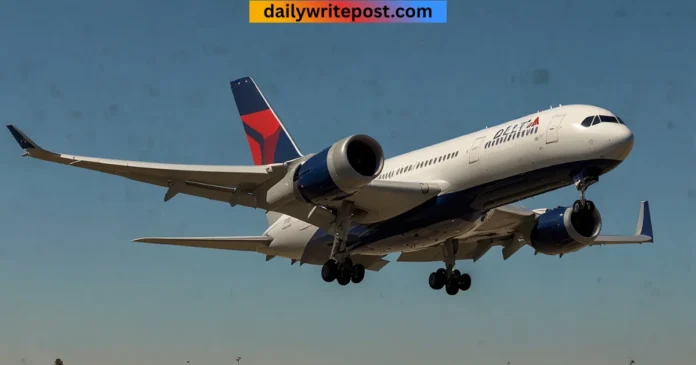
Delta Flight DL275 diverted LAX, and it quickly became one of the most searched aviation stories of the year. The flight started as a routine long-haul journey from Detroit Metropolitan Wayne County Airport (DTW) to Tokyo Haneda Airport (HND). Instead, it made an unplanned stop at Los Angeles International Airport (LAX). Travelers, aviation enthusiasts, and journalists all wanted answers fast. This article breaks down everything currently known about the incident. We cover the aircraft involved, the reported cause, the passenger experience, and the broader lessons it offers about modern airline safety. One quick note first: several unofficial reports online contain conflicting or unverified details. This piece sticks to what credible sources consistently report.
What Happened With Delta Flight DL275
Delta Air Lines operated Flight DL275 on May 27, 2025. The flight followed its scheduled route from Detroit to Tokyo. It departed DTW in the afternoon local time and flew normally for several hours. The aircraft crossed North America and headed toward the Pacific Ocean. Partway through the journey, the flight crew decided to turn the aircraft around. They redirected it to Los Angeles instead of continuing across the Pacific. Flight-tracking accounts and aviation-news outlets noticed the unusual routing almost immediately. A transpacific flight rarely reverses course and flies hours back toward the U.S. West Coast. News that Delta flight DL275 diverted LAX spread quickly on social media before Delta issued any official statement.
The Aircraft: A Delta Airbus A350-900
Delta typically operates Flight DL275 using an Airbus A350-900. This widebody jet ranks among Delta’s flagship aircraft for long-haul international routes. The A350 is a twin-engine plane built specifically for ultra-long-range flying. Airlines prize it for fuel efficiency, a quiet cabin, and advanced onboard monitoring systems. Delta uses this aircraft type extensively on transoceanic routes like Detroit–Tokyo. Its range and reliability make it well suited for the job. Rolls-Royce Trent XWB engines power the aircraft. Onboard computer systems continuously track dozens of performance parameters throughout every flight. These systems alert the flight crew the moment they detect an anomaly, often well before it becomes a real safety concern. That early-warning design explains why crews treat diversions like this one as precautions rather than emergencies.
The Reported Cause: An Engine Anti-Ice System Issue
Multiple aviation reports linked the diversion to an issue with the aircraft’s engine anti-ice system. This system prevents ice from forming on critical engine components during flight. Ice matters because aircraft frequently pass through freezing temperatures at cruising altitude. Left unaddressed, ice buildup could affect airflow and engine performance during a long ocean crossing. Delta had not issued a detailed public statement confirming the exact technical cause when these reports circulated. Readers should treat the anti-ice explanation as the most consistently cited reporting, not an official confirmed cause. Either way, aviation analysts agree on one point. A cautious response to any such alert is standard, expected procedure across the industry.
Why the Crew Chose Not to Continue to Tokyo
Long-haul routes like Detroit to Tokyo cross vast stretches of ocean and remote airspace. Flight crews must plan conservatively around fuel, weather, and available diversion airports well before problems arise. Pilots don’t make snap decisions when an onboard system flags a concern. Instead, they work through established checklists. They also coordinate with their airline’s dispatch and operations teams on the ground. Crews weigh multiple factors before committing to a course of action. Continuing across the Pacific with an unresolved technical alert would have meant flying hours from any suitable landing option. Turning back toward a major, well-equipped U.S. airport gave the crew far more flexibility. This kind of conservative, methodical thinking is exactly what airlines train their pilots to apply.
Why LAX Was Chosen as the Diversion Airport
Los Angeles International Airport made sense for several practical reasons. LAX ranks among the busiest international gateways in the United States. It offers long runways, strong air traffic capacity, and the ground infrastructure needed to safely receive a widebody aircraft like the A350. LAX also serves as a major Delta operational hub. That meant the airline already had staff, gate space, and rebooking resources on-site to support passengers. The airport also offers strong maintenance support for large international aircraft. Airlines need this kind of support when they inspect and clear a plane before it returns to service. LAX’s scale, its Delta presence, and its position along the flight’s original path made it the most efficient, lowest-risk option available.
Passenger Experience Onboard the Diverted Flight
The diversion was almost certainly stressful and confusing for passengers aboard Delta Flight DL275. Reports still describe the flight as calm and orderly overall. Crew communication plays a major role in situations like this. Flight attendants train to keep the cabin informed without causing alarm. Pilots typically make brief announcements explaining that the aircraft is diverting out of caution. Passengers reported that the flight continued smoothly after the crew made the decision. No chaotic or emergency-style atmosphere developed onboard. That said, some travelers likely felt real frustration. Anyone with tight connections, work obligations, or family waiting in Tokyo would understandably worry once the flight’s new destination became clear.
Was Anyone Injured in the DL275 Diversion?
One reassuring fact stands out clearly: no injuries were reported among passengers or crew. The aircraft landed at LAX without incident. Reports describe the landing itself as routine once the plane reached its final approach. This point deserves emphasis, because words like “diverted” or “turned around” can sound alarming out of context. In reality, a diversion prompted by a system alert differs greatly from an active in-flight emergency. Airlines design this kind of precaution specifically to prevent injury or damage. Crews address potential issues long before they could escalate. The safe outcome of DL275 reflects that underlying safety-first design philosophy in action.
What Happens After a Long-Haul Flight Diverts
A fairly standardized process begins once an aircraft like DL275 lands safely at an unplanned airport. Ground crews and maintenance engineers inspect the aircraft first. They investigate the reported technical concern in detail. Airline operations teams simultaneously work out how to get passengers to their final destination. They might hold the original aircraft for departure once cleared. They might arrange a replacement aircraft instead. Or they might rebook travelers onto other flights entirely. Gate agents at the diversion airport typically assist with rebooking. Airlines generally provide support such as meal vouchers or hotel accommodations for passengers facing extended delays, especially overnight ones. This coordination often stays invisible to the public, but it remains a critical part of managing disruptions professionally.
Passenger Rights When a Flight Diverts Unexpectedly
Travelers affected by an unexpected diversion often want to know their rights. U.S. airlines generally must provide reasonable care during significant delays caused by circumstances within their control. This care can include meals, hotel accommodations, and ground transportation. Specific policies vary by airline and circumstance, though. Compensation obligations can also differ depending on how the airline classifies the diversion. A safety-related decision often gets treated differently than a controllable operational issue. Passengers should keep documentation just in case. Save boarding passes, receipts, and any written communication from the airline. Checking the airline’s official contract of carriage remains the most reliable way to understand specific entitlements.
How Aircraft Monitoring Systems Help Prevent Emergencies
Modern aircraft like the Airbus A350 carry extensive digital monitoring systems. These systems continuously assess engine performance, structural conditions, and dozens of other operational metrics throughout a flight. Engineers designed them to catch developing issues early. Often, they flag a problem well before it could threaten flight safety. When an alert appears, the aircraft is usually doing exactly what it was engineered to do. It flags a concern proactively, giving the crew time to respond calmly rather than reactively. This is a major reason aviation professionals view alert-triggered diversions as evidence of safety systems working correctly. They rarely see such events as failures of the aircraft or the airline.
Public Reaction and Social Media Response
News that Delta flight DL275 diverted LAX spread rapidly across social media and flight-tracking communities. Aviation enthusiast accounts monitoring live flight paths drove much of that early attention. Early posts, as usual with breaking aviation stories, mixed accurate updates with speculation. Some theories pointed to weather. Others assumed a more dramatic in-flight emergency. More consistent reporting around the engine anti-ice explanation emerged over time. This pattern shows up often with aviation incidents. Initial uncertainty tends to give way to a clearer picture as more sources weigh in. Travelers should remember to rely on official airline communications and credible aviation-news sources rather than early social media speculation.
Delta Air Lines’ Broader Safety Record
Incidents like the DL275 diversion grab attention, but context matters here. Delta operates thousands of flights daily across a global network. Diversions like this one represent a small fraction of total operations, even though they generate headlines. Large airlines build redundancy, training, and conservative decision-making protocols for exactly this reason. These systems help crews address potential technical concerns before they become genuine hazards. Understanding a single diversion within that broader context helps put the story in perspective. It demonstrates a system working as intended. It doesn’t point to any pattern of concern about the airline or the aircraft type involved.
Lessons for Travelers on Long-Haul International Routes
The DL275 diversion offers a few practical takeaways for anyone planning long-haul international travel. First, build buffer time into connecting itineraries. Extra time helps absorb the impact of an unexpected delay. Second, consider travel insurance for transoceanic routes. It can help cover costs tied to extended disruptions. Third, stay calm and follow crew instructions during any in-flight announcement. This remains the safest approach, even when the reason for a diversion isn’t immediately clear. Finally, keep the airline’s contact information and app handy. Quick access makes it easier to rebook fast if a disruption occurs. None of this eliminates the inconvenience of a diversion, but it can meaningfully reduce the stress involved.
Conclusion
The story of Delta Flight DL275 diverted LAX ultimately shows aviation safety systems working as designed. A Delta Airbus A350-900 turned back mid-ocean crossing on its Detroit-to-Tokyo route following a reported engine anti-ice system concern. The crew made the measured decision to land at Los Angeles International Airport instead of continuing toward Japan. The aircraft landed safely, no injuries occurred, and Delta’s ground teams supported affected passengers on their way. Some finer details circulating online still lack confirmation from an official Delta statement. Still, the core facts hold steady: this was a precautionary diversion, not an emergency. It reflects the deep layers of caution built into modern long-haul air travel.
Frequently Asked Questions
1. What route was Delta Flight DL275 flying when it diverted? Delta Flight DL275 was flying from Detroit Metropolitan Wayne County Airport (DTW) to Tokyo Haneda Airport (HND). It diverted to Los Angeles International Airport (LAX).
2. Why did Delta Flight DL275 divert to LAX? Reports link the diversion to an issue with the aircraft’s engine anti-ice system. The crew landed at LAX as a safety precaution instead of continuing across the Pacific.
3. What type of aircraft was used on Delta Flight DL275? Delta operated the flight using an Airbus A350-900. This widebody aircraft commonly flies Delta’s long-haul international routes, including Detroit to Tokyo.
4. Were there any injuries during the DL275 diversion? No. Reports consistently confirm no injuries among passengers or crew. The aircraft landed safely at LAX.
5. Why was LAX chosen instead of another airport? LAX offers long runways, strong ground infrastructure, and maintenance capability for widebody aircraft. It’s also a major Delta hub, which made it a practical diversion option along the flight’s original path.
6. What happens to passengers after a flight diversion like this? Gate agents typically assist passengers on arrival and rebook them onto onward flights. Depending on the delay length and airline policy, passengers may also receive meal vouchers or hotel accommodations.
7. Is a flight diversion the same as an emergency landing? Not necessarily. A technical alert usually triggers a precautionary decision well ahead of any actual danger. An emergency landing, by contrast, responds to an immediate, active safety threat.
